
Aviation Insights March 2-8, 2026: One Week of War – How the Iran Conflict is Shaking Global Skies
Boston Warwick drives transformative change for airlines, airports, and aviation stakeholders. Its expert team, with decades of experience, delivers high-impact projects in flight operations, fleet valuations, M&A, and crisis resilience, empowering clients with strategic insights during even the most challenging times.
This week’s report is dominated by an unprecedented aviation crisis: the escalating US-Israel-Iran conflict has triggered one of the most severe global disruptions in recent memory — widespread Middle East airspace closures, thousands of flight cancellations, mass diversions, and hundreds of thousands of passengers stranded worldwide. Against this backdrop, we also examine Delta’s major Airbus widebody expansion, Rolls-Royce’s engine production recovery, Riyadh Air’s planned inaugural routes (now facing heightened regional uncertainty), and Spirit Airlines’ path to a bankruptcy exit.
This edition covers key developments from March 2–8, 2026, providing actionable context for airlines, airports, lessors, and stakeholders navigating extraordinary turbulence.
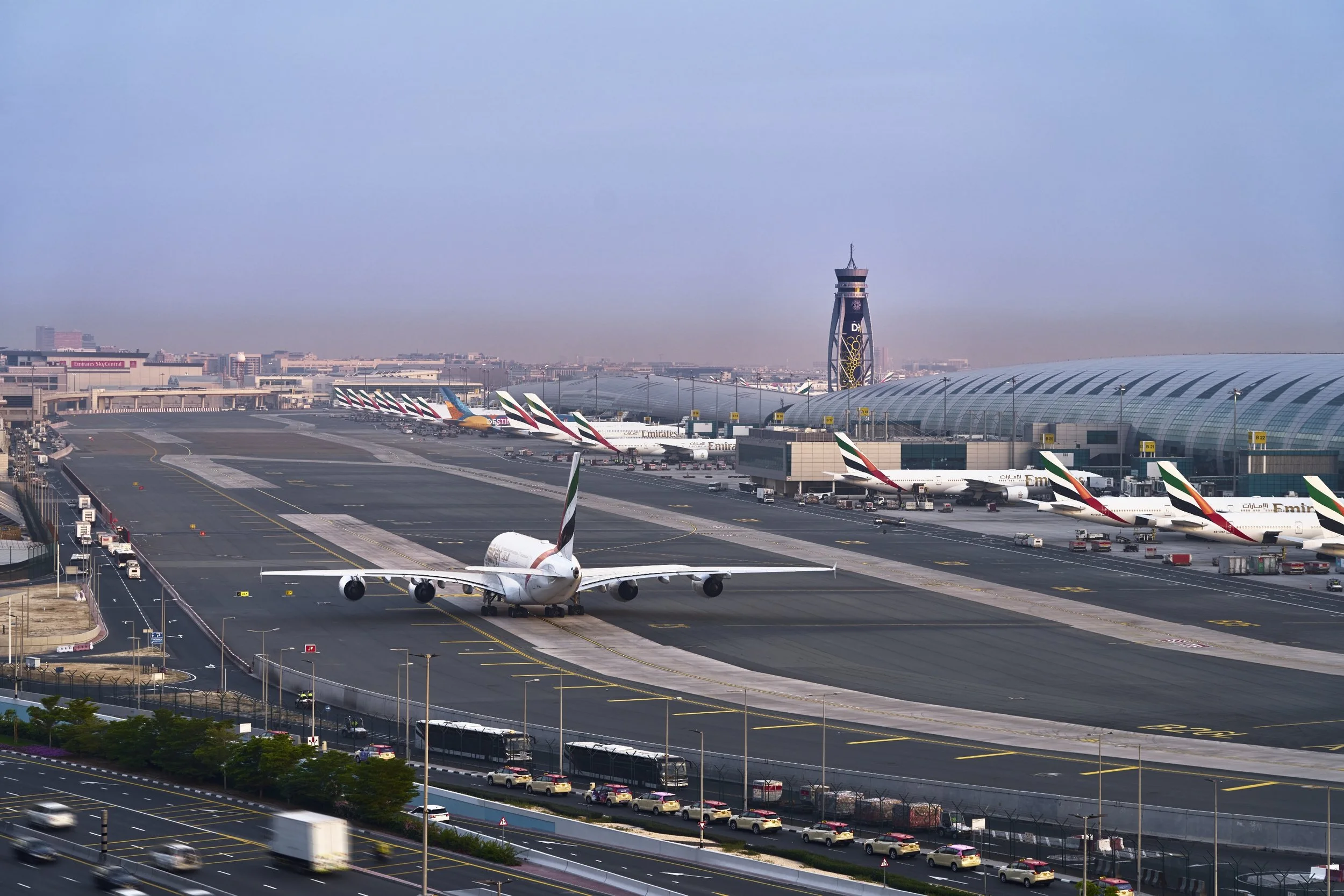
SPECIAL REPORT: One Week Into the Iran War – Aviation in CrisisMarch 8, 2026
One week after the dramatic escalation of U.S.-led strikes on Iranian targets and the swift wave of retaliatory drone and missile attacks, the global aviation industry is in uncharted territory. What started as a targeted military operation has morphed into a full-scale regional airspace emergency, with civilian aviation bearing the brunt. Hubs across the Gulf have been hammered, long-haul networks shredded, and millions of passengers left scrambling. Fuel prices have surged 18% in just seven days, insurance premiums for Middle East routes have doubled overnight, and early analyst estimates suggest the conflict could wipe $4–6 billion from the industry’s 2026 revenue forecasts if the situation persists beyond another week.
The speed and severity of the disruption have caught even seasoned executives off guard. Airlines that had only just returned to post-pandemic profitability are now burning cash at alarming rates, while airports that once prided themselves on 24/7 operations are operating under military curfews. Boston Warwick’s crisis team is already supporting multiple clients with real-time rerouting models, fleet redeployment plans, and scenario-based financial stress testing.
Strikes on DXB and Regional Airport Chaos Dubai International Airport (DXB), the world’s busiest international hub handling over 90 million passengers annually, has been struck multiple times. On March 3 and again on March 6, waves of low-altitude drones caused minor structural damage to Terminal 3 and a temporary runway cratering incident that forced full closures lasting 7 and 11 hours respectively. Smoke was seen billowing from the cargo area in viral videos, and at least 14 ground staff and passengers sustained injuries, three of them serious. Air traffic control towers were briefly evacuated amid fears of follow-up attacks.
View Our Presentation, Hormuz Crisis 2026: Jet Fuel Shockwaves Across Europe
The chaos has not been isolated. Abu Dhabi (AUH) endured two ground stops totaling 14 hours, Doha’s Hamad International (DOH) closed its airspace for 36 hours cumulatively, and Kuwait International saw flights suspended after a near-miss incident involving debris from intercepted missiles. Saudi airports in Riyadh and Jeddah have imposed nightly curfews, while even secondary hubs such as Sharjah and Ras Al Khaimah have reported flight cancellations exceeding 70%. The ripple effect is global: Europe-to-Asia flights are being diverted via Turkey or Central Asia at the cost of three extra hours and thousands of extra tonnes of fuel per flight. Passenger videos showing chaotic terminal scenes and families sleeping on floors have dominated social media, eroding confidence in the region’s once-vaunted safety record.
Scale of Cancellations The numbers are staggering. According to the latest Cirium and Flightradar24 data compiled through March 8, more than 25,400 commercial flights have been cancelled worldwide since the strikes began — an average of 3,600 per day. Of these, approximately 15,200 were directly linked to Middle East origins or destinations. Long-haul routes have been hit hardest: over 4,800 Europe–Gulf and 3,100 Asia–Gulf flights scrubbed, while U.S. carriers have cancelled more than 1,200 transatlantic and transpacific connections that routed through Gulf hubs.
The economic pain is widespread. Major carriers including British Airways, Lufthansa, Air France, and Singapore Airlines have each cancelled between 180 and 250 flights in the past week. Low-cost operators serving the Indian subcontinent and Southeast Asia have seen load factors collapse from 85% to under 40% on surviving routes. Early estimates from IATA suggest daily industry-wide losses approaching $180 million, with ripple effects already visible in hotel bookings, tourism revenue, and even oil futures. If the airspace remains restricted for another 10 days, analysts warn that Q1 2026 global passenger traffic growth could flip from +4.2% to a contraction of nearly 2%.
Repatriation Efforts Underway Governments have moved with unprecedented urgency. The UK, India, Australia, and the United States have activated emergency repatriation charters, with more than 185 special flights already operated or scheduled through March 15. India alone has evacuated over 28,000 citizens using a combination of Air India, IndiGo, and military aircraft. The U.S. State Department has coordinated 42 charter flights from Dubai and Doha, while the EU has pooled resources for a joint “Gulf Airlift” operation.
Airlines not directly based in the region have stepped in heroically: Qatar Airways and Etihad are operating limited “humanitarian corridors” under military escort, Turkish Airlines has added 18 extra flights to Istanbul as a safe transit point, and even non-Gulf carriers such as Emirates’ rival Qatar have been pressed into service ferrying stranded passengers. Challenges remain severe — insurance underwriters are refusing coverage for many routes, crews are refusing to fly without danger pay, and obtaining landing slots in already congested safe-haven airports is proving difficult. Still, the effort has so far successfully repatriated an estimated 120,000–140,000 people, though tens of thousands more remain in limbo.
Emirates Returns to Limited Service The region’s flagship carrier, Emirates, was forced to ground the vast majority of its fleet by March 3. After days of intense negotiations with UAE authorities and international regulators, the airline resumed a skeleton schedule on March 7 — currently operating at roughly 22% of normal capacity. Only 18 routes are active, prioritising repatriation to London, Frankfurt, Mumbai, Singapore, and Sydney, with all flights departing under heavy fighter escort during the first 48 hours.
Emirates CEO has publicly stated that “safety remains our absolute priority; we will not compromise on this even if it takes weeks to return to full strength.” The airline has already cancelled 1,850 flights this week and warned that full recovery could stretch into late April. Stock of parent company Emirates Group fell 9% on the Dubai Financial Market in the first trading session after the initial strikes. Industry insiders note that Emirates’ return to even limited service has provided a psychological boost to the region, but analysts caution that sustained operations at current levels will require significant government subsidies and revised insurance arrangements.
The coming days will be decisive. Should the conflict de-escalate quickly, the industry may recover within 4–6 weeks. Should it widen, we could be looking at a multi-month crisis that fundamentally reshapes global route networks, fleet deployment strategies, and risk models for years to come.
Boston Warwick will continue to monitor developments hour-by-hour, providing clients with real-time impact assessments, contingency planning support, and strategic guidance through this rapidly evolving situation
Airlines
United Airlines: The carrier plans to station 10 Boeing 737 Max 8s at its Guam hub, kicking off a local fleet renewal program. This move aims to modernize operations in the Pacific region, enhancing connectivity and efficiency amid growing demand. It could improve service reliability but may require significant infrastructure investments.
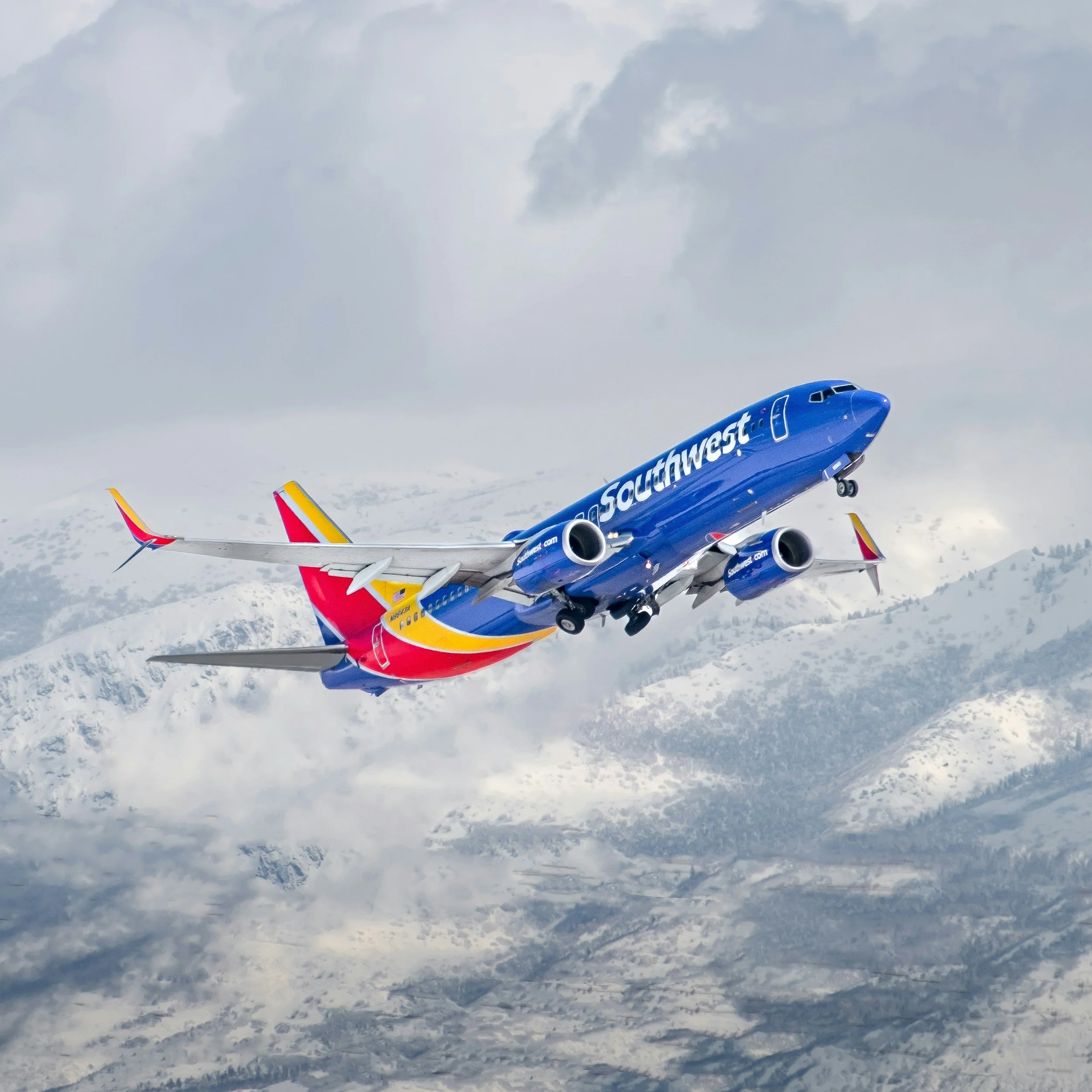
Southwest Airlines: Flight 2094 from Nashville to Fort Lauderdale was diverted to Atlanta on March 6 due to a reported bomb threat, leading to a passenger's arrest. This incident highlights ongoing security challenges in aviation, potentially impacting passenger confidence and operational protocols.
Multiple Carriers: Over 50 new routes launched this week, including Iberia's daily Madrid-Newark service using A321XLRs and Virgin Atlantic's London-Seoul flights. These expansions signal a robust recovery in international travel, boosting competition and accessibility but straining capacity at key hubs.
Geopolitical Disruptions: Escalating Middle East conflicts, including U.S. strikes on Iran and drone hits on Dubai and Kuwait airports, have caused widespread flight disruptions and airspace closures. This chaos could lead to higher fuel costs and rerouting, affecting global airline profitability.
Mergers, Acquisitions & Finance
Allegiant Travel Co.: Agreed to acquire Sun Country Airlines in a $1.5 billion cash-and-stock deal, combining two budget carriers. This consolidation could create a stronger leisure-focused airline but faces antitrust scrutiny under the Trump administration.
United Airlines: CFO Michael Leskinen hinted at potential mergers, possibly targeting JetBlue, amid industry consolidation. This could enhance United's competitive edge but raises concerns over reduced competition and higher fares.
Spirit Airlines: In talks for a merger with Frontier Airlines amid bankruptcy proceedings. If successful, it would mark a revival for budget carriers, potentially stabilizing operations but eliminating independent low-cost options.
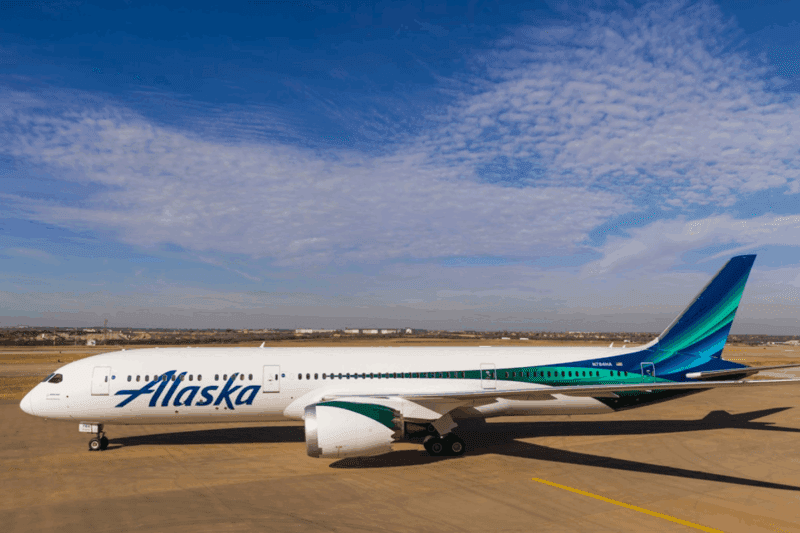
Alaska Airlines: Continues integration with Hawaiian Airlines post-merger approval. This strengthens Pacific routes but involves navigating labor concessions and regulatory hurdles for seamless operations.

Airport Developments
Miami International Airport (MIA): Unveiled a $1 billion expansion of North Terminal Concourse D, converting gates for larger aircraft. Set to enhance capacity for American Airlines, this project addresses growing demand but may cause short-term disruptions during construction starting in 2027.
Sacramento International Airport (SMF): Advancing SMForward initiative with a new pedestrian walkway and parking garage opening in 2026. These upgrades will improve passenger flow and alleviate congestion, supporting air service growth.
Mobile International Airport: Estimated opening now March 2026, promising enhanced facilities for travelers. Delays highlight construction challenges, but completion will boost regional connectivity.
Sioux Falls Regional Airport: Reports more seats available in 2026 alongside construction updates. This expansion aligns with population growth, improving accessibility but requiring careful management of disruptions.
Industry Innovations & Services
AI and Biometrics: Airlines are adopting AI for booking simplification and biometric security, with TSA expanding touchless ID to 50 airports in Q1 2026. These innovations enhance efficiency and passenger experience but raise privacy concerns.
MRO Demand Surge: Engine inspection delays fuel MRO needs, with robotic tech adoption by Pratt & Whitney speeding recoveries. This addresses supply chain issues, improving aircraft availability amid rising flight activity.
Sustainability Focus: Aviation growth emphasizes AI, automation, and sustainable fuels, with Airbus advancing digital transformation. These efforts aim to reduce emissions but face supply-demand gaps for green fuels.
Modern Retailing: Airlines shift to offer-order systems and personalized services, with ARC expanding pilots. This evolution promises better customer engagement but requires tech investments.
Key Watch Items
Airbus Widebody Deliveries: Delta ordered 31 widebodies (16 A330-900s, 15 A350-900s), boosting its fleet to 55 A330neo and 79 A350s. Airbus targets 870 deliveries in 2026, signaling strong demand despite January's low of 19 aircraft.
Rolls-Royce Engine Production Recovery: Completed F130 testing for B-52J, advancing U.S. Air Force program. Upgraded 2026 forecasts with profits surging, driven by aero-engines and data centers.
Riyadh Air Launch Timeline: Expects public flights in Q1 2026, adding seven new destinations after London and Dubai. This supports Saudi's 30+ new routes, enhancing regional connectivity.
New Routes: March saw launches like Latam Amsterdam-São Paulo and Southwest adding Caribbean/Hawaii services. These expansions reflect recovery but are tempered by geopolitical risks.
For strategic guidance, contact Boston Warwick.
SOURCES
Hundreds of thousands of travellers stranded or diverted by airspace closures in Middle East
Flight Global: Airline News Digest: 28 February - 6 March 2026
Vax-Before-Travel: International Travel Plans Disrupted In March 2026
Yahoo: New developments coming to the Sacramento International Airport
ePlane AI: How Airline Technology Is Changing U.S. Domestic Travel
Travel Weekly: Saudi Arabia to launch more than 30 new flight routes


United opens a new U.S.–Colombia corridor, Honeywell Aerospace debuts on Nasdaq, and Delta moves to entrench its Atlanta hub through Spirit's liquidation. Boston Warwick's executive briefing for 29 June–5 July 2026.