
Aviation Insights May 11-17 2026: Dulles $22B Plan, Spirit Shutdown, Pilot Shortage
Boston Warwick drives transformative change for airlines, airports, and aviation stakeholders. Its expert team, with decades of experience, delivers high-impact projects in flight operations, fleet valuations, and M&A, empowering clients with strategic insights.
This week’s report unpacks critical developments from May 11 to May 17, 2026, as the industry absorbs the full impact of Spirit Airlines’ exit, navigates severe operational disruptions, accelerates major infrastructure projects, and pushes forward with summer schedule expansions amid persistent labor and capacity constraints.
Airlines
Global Pilot Shortage Continues to Constrain Expansion Plans
Airlines across every region continue to face a persistent and worsening pilot shortage in 2026, driven by a combination of accelerating retirements among the baby-boomer generation, historically high training costs, and robust post-pandemic passenger demand that shows no signs of slowing. Major carriers are responding aggressively with substantial salary increases, signing bonuses, and accelerated cadet training programs, yet the structural supply gap remains the single largest constraint on network expansion and frequency growth. Senior executives should treat pilot availability as a core strategic variable when modeling 2027 capacity plans, as even well-capitalized airlines are being forced to defer marginal route launches and reduce frequencies on thinner markets. The shortage is particularly acute in the narrowbody segment, where training pipelines cannot keep pace with retirement waves and new aircraft deliveries.
DFW Hub Suffers Major Meltdown on May 11 with 617 Delays
Dallas-Fort Worth International Airport experienced a severe operational collapse on May 11, recording 617 delays and more than 200 cancellations that cascaded into over 2,325 national flight disruptions. American Airlines’ primary global hub faced compounding issues stemming from crew scheduling misalignments, ground handling bottlenecks, and weather-related constraints that exposed long-standing vulnerabilities in high-density hub operations. The event underscores the urgent need for improved contingency planning and real-time crew optimization tools as carriers prepare for the peak summer season. Executives at hub-dominant carriers should conduct immediate after-action reviews to prevent similar systemic failures during the critical Memorial Day through Labor Day period.
JetBlue Launches Daily Boston–Milan Service
On May 11, JetBlue inaugurated daily seasonal nonstop service from Boston Logan to Milan Malpensa using its Airbus A321neo aircraft configured with the premium Mint business class product. The new route intensifies competition in the high-value transatlantic leisure and premium leisure segments and represents a clear demonstration of JetBlue’s long-term commitment to narrowbody long-haul operations as a core growth platform. The carrier is leveraging its strong Boston origin-and-destination strength and competitive cost structure to challenge legacy carriers on this traditionally underserved city-pair. Executives should monitor load factors and yield performance closely, as success here could accelerate similar narrowbody long-haul expansions from other JetBlue focus cities.
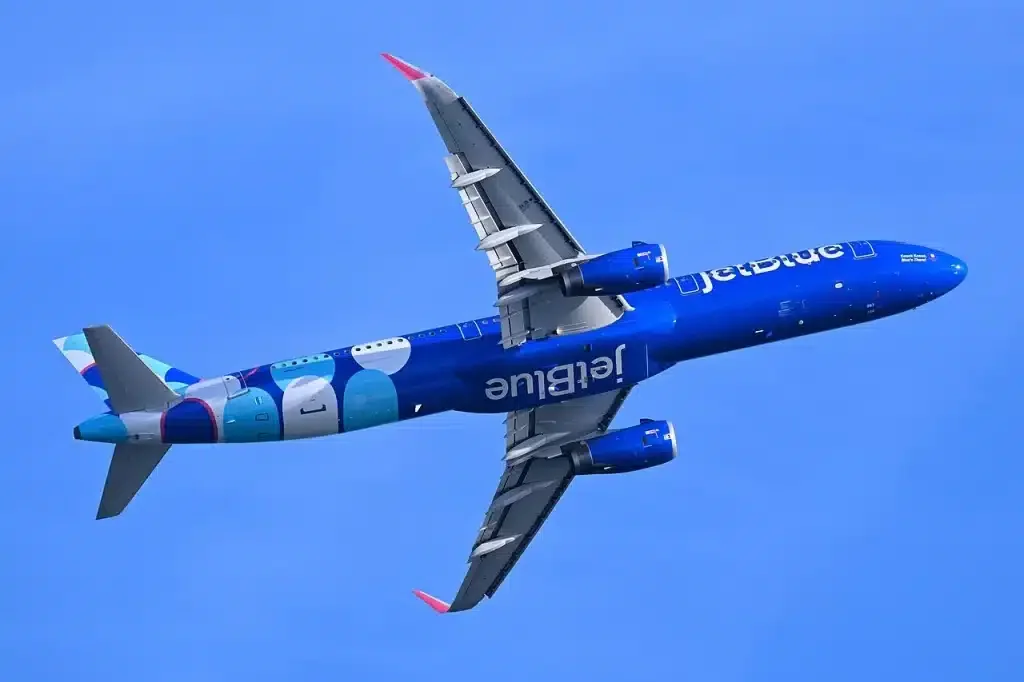
Image: JetBlue Airbus A321neo departing Boston Logan | JetBlue Airways
Delta Strengthens Boston European Network
Delta Air Lines significantly enhanced its Boston European footprint with the launch of seasonal Boston–Madrid service on May 16 and Boston–Nice service on May 17, both operated by Airbus A330neo aircraft featuring the carrier’s latest Premium Select and Delta One products. These additions bring Delta’s Boston transatlantic destinations to five and directly respond to exceptionally strong summer leisure demand from the New England market. The moves also serve as a competitive response to JetBlue’s growing presence at Logan. Network planners at competing carriers should anticipate further Boston transatlantic growth from Delta as it seeks to defend and expand its position at this important East Coast gateway.
Porter Airlines Adds Boston–Toronto and Boston–Montreal Service
Porter Airlines launched new nonstop service between Boston and both Toronto Pearson and Montreal Trudeau in mid-May 2026, marking a meaningful expansion of its U.S. network and providing business and leisure travelers with convenient one-stop access to Canada’s two largest commercial centers. The routes leverage Porter’s efficient Embraer E195-E2 fleet and strong brand positioning in the premium regional market. The addition strengthens Boston’s role as a key gateway for Canadian traffic and creates new codeshare and interline opportunities for both Porter and its partners. Executives should evaluate the revenue and cost implications of similar regional international expansions as cross-border demand continues to recover.
Frontier Airlines A321neo Incident at Denver
A Frontier Airlines Airbus A321neo struck a pedestrian on an active runway during takeoff at Denver International Airport in early May, triggering an immediate FAA investigation and renewed industry-wide focus on runway incursion prevention. The incident, which occurred during evening operations, highlights the persistent safety challenges at high-volume airports even as traffic levels approach or exceed pre-pandemic peaks. Carriers and airports should accelerate investment in enhanced surface movement guidance systems, improved lighting, and real-time incursion detection technologies. This event serves as a timely reminder that operational efficiency gains cannot come at the expense of the highest safety standards.
American Airlines Prepares Record Summer Football Schedule
American Airlines unveiled its largest-ever football charter and fan travel program for the 2026 NFL season, positioning the carrier to capture substantial high-yield sports travel demand across its extensive domestic network. The schedule includes dedicated charters for multiple teams as well as expanded scheduled service on key fan routes. This initiative demonstrates American’s continued focus on high-margin ancillary revenue streams and its ability to leverage its broad route network for premium seasonal demand. Revenue management teams at competing carriers should closely monitor American’s pricing and inventory strategies on these high-value corridors throughout the season.
Mergers, Acquisitions & Finance
Spirit Airlines Wind-Down Enters Asset Sale Phase
Following its abrupt May 2 cessation of operations, Spirit Airlines’ bankruptcy proceedings have moved rapidly into the active asset liquidation phase, with court-approved sales of aircraft, gates, slots, and other valuable assets now underway to maximize creditor recovery. The ultra-low-cost carrier’s exit creates immediate market share opportunities for remaining U.S. carriers, particularly in leisure-heavy domestic markets where Spirit had significant presence. Potential acquirers are already evaluating Spirit’s valuable slot holdings at constrained airports such as LaGuardia and Reagan National. Executives at legacy and low-cost carriers alike should model the competitive and revenue implications of Spirit’s permanent removal from the market and prepare for intensified bidding on its remaining assets in the coming months.
Leasing Sector Consolidation Gains Momentum
The global aircraft leasing sector is experiencing accelerated consolidation as major players pursue greater scale, geographic diversification, and operational synergies through strategic acquisitions and platform mergers. Recent transactions reflect a clear industry shift toward larger, better-capitalized lessors capable of offering comprehensive fleet solutions, flexible lease structures, and end-of-life asset management services to airline customers. This trend is expected to continue throughout 2026 and into 2027 as capital providers seek to deploy larger pools of capital more efficiently. Airline fleet planners should anticipate a more concentrated lessor landscape when negotiating future lease deals and should evaluate the long-term counterparty risk implications of dealing with fewer, larger leasing entities.
High Fuel Prices Fuel Speculation of Further U.S. Airline Consolidation
Sustained elevated fuel prices throughout 2026 are prompting renewed analyst speculation about potential additional mergers, joint ventures, or capacity-sharing agreements among U.S. major airlines seeking to improve unit revenue, reduce overhead, and achieve greater network synergies. While regulatory hurdles remain significant, the current administration’s more permissive stance on industry consolidation has reopened conversations that were largely dormant since the American-US Airways merger. Executives at all major carriers should maintain active scenario planning around possible future combinations and their implications for route overlap, slot divestitures, and labor integration. The Spirit exit has further altered the competitive landscape, making additional structural changes more plausible in the medium term.
Airport Developments
$22 Billion Dulles Transformation Plan Detailed
On May 12, the Metropolitan Washington Airports Authority released details of an ambitious $22 billion accelerated redevelopment plan for Washington Dulles International Airport, targeting full completion by 2034. The transformative project includes construction of multiple new linear concourses, significant terminal expansion, extensive AeroTrain extensions, and the eventual complete elimination of the iconic mobile lounges that have defined the Dulles passenger experience for decades. The plan represents one of the largest single-airport capital programs in U.S. history and will fundamentally reshape operations for United Airlines, the airport’s dominant carrier, as well as all other airlines serving the facility. Executives at United and competing carriers should begin detailed operational modeling of the new facility layout, gate configurations, and passenger flow implications well in advance of phased openings.
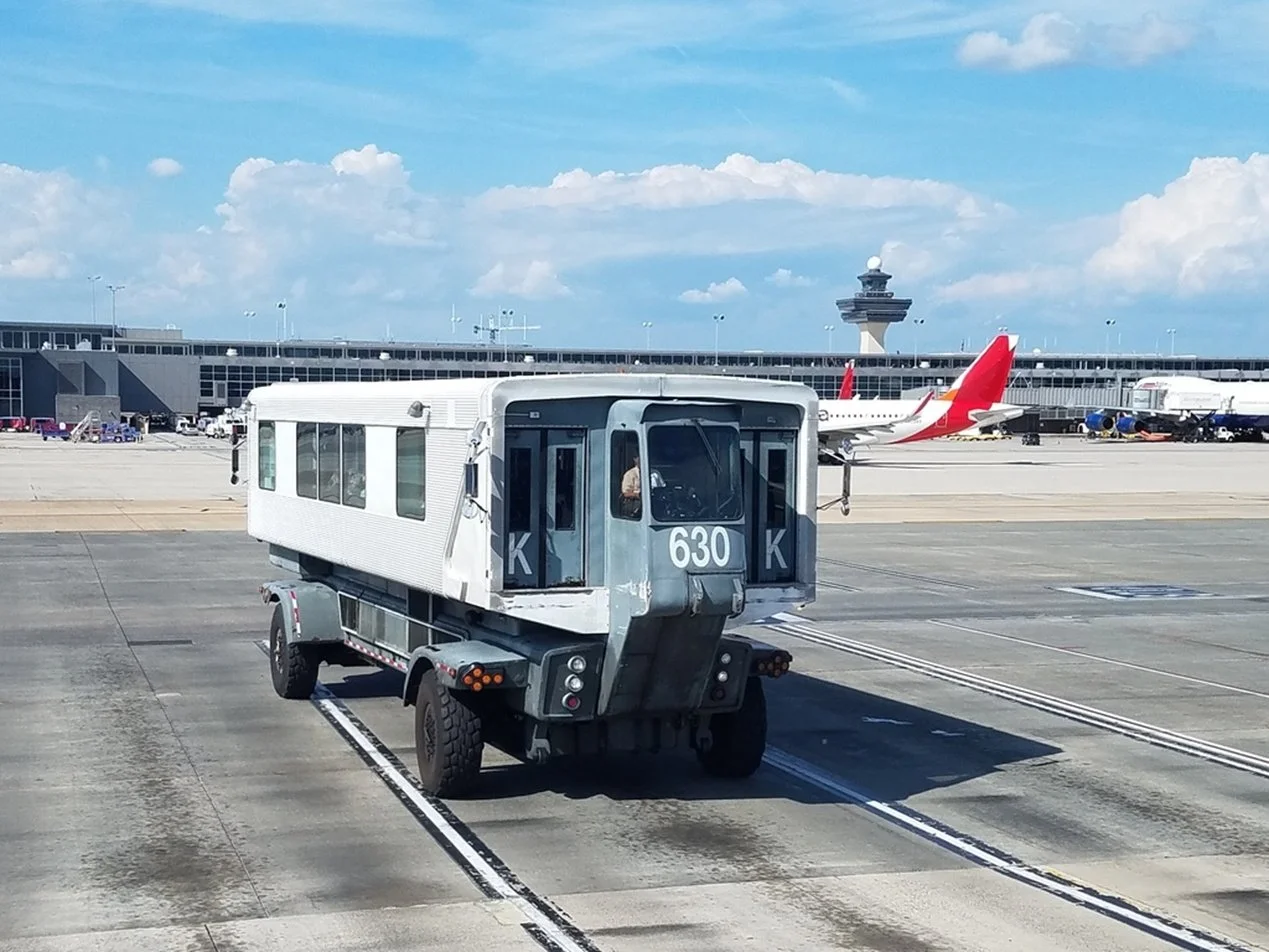
Image: Washington Dulles International Airport redevelopment concept | Metropolitan Washington Airports Authority
FAA Announces $835 Million ATC Upgrades at Eight Airports
Transportation Secretary Sean Duffy announced a major federal investment exceeding $835 million to modernize air traffic control facilities at eight strategically important U.S. airports. The upgrades target aging infrastructure, improve system reliability, and provide the technological foundation required to safely accommodate projected traffic growth through the end of the decade. The selected airports represent a balanced mix of large hubs and critical regional facilities. Airline operations teams should expect temporary disruptions during construction phases but will ultimately benefit from enhanced ATC capabilities that support more efficient routing and reduced delays. This investment signals a renewed federal commitment to aviation infrastructure that has been largely absent in recent years.
FAA Delays O’Hare Summer Flight Cap to June 2
The Federal Aviation Administration postponed implementation of scheduled flight reductions at Chicago O’Hare International Airport from the originally planned May 17 start date to June 2, 2026. The delay was granted to provide airlines with additional time to adjust crew schedules and minimize passenger disruption during the critical early summer travel period. While the temporary reprieve is welcome, the underlying capacity constraints at O’Hare remain unresolved, and carriers should prepare for meaningful schedule reductions beginning in early June. Network planners at all O’Hare operators must now accelerate contingency planning and passenger re-accommodation protocols to protect completion factors and customer satisfaction metrics during what is expected to be a high-demand summer.
Omaha Eppley Airfield Terminal Modernization Advances
The Build OMA Terminal Modernization Program at Omaha Eppley Airfield released its Spring 2026 construction update, demonstrating steady progress on the multi-year, nearly $1 billion project that will deliver a dramatically enhanced passenger experience by late 2026. The new terminal will feature expanded security checkpoints, improved gate facilities, enhanced retail and dining options, and significantly better connectivity between landside and airside functions. For airlines operating at Omaha, the modernization represents both an opportunity to improve operational efficiency and a requirement to adapt to new gate layouts and passenger flow patterns. Carriers with significant presence at secondary airports like Omaha should begin detailed operational planning for the transition period to minimize disruption during the final construction phases.
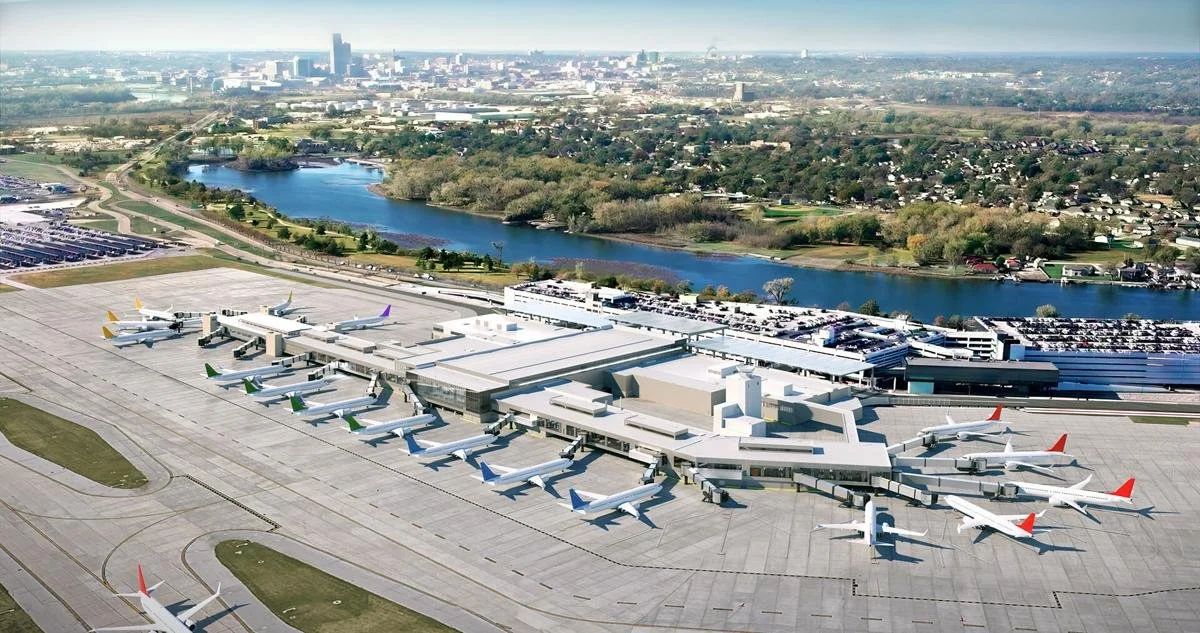
Image: Future Eppley Airfield terminal after $950 million renovation | Omaha Airport Authority
Austin-Bergstrom Airport Expansion Remains on Track for 2026 Completion
Austin-Bergstrom International Airport’s major multi-phase expansion program remains firmly on schedule for substantial completion in 2026, adding critical new gates, significantly improved security processing capacity, and enhanced landside facilities to accommodate the airport’s rapid and sustained passenger growth. The project is designed to alleviate chronic congestion that has plagued the facility during peak periods and will provide airlines with much-needed operational flexibility. Carriers with growing Austin operations should begin detailed resource planning for the additional gate capacity and should expect improved on-time performance once the new facilities come online. The expansion also positions Austin as an increasingly attractive focus city for both legacy and low-cost carriers seeking Sun Belt growth opportunities.
Munich Airport New Terminal 1 Pier Nears Operational Readiness
Munich Airport’s new Terminal 1 pier is advancing rapidly toward operational readiness in 2026, delivering substantial additional non-Schengen capacity and significantly improved passenger flow at one of Europe’s busiest and most operationally efficient hubs. The new facility will provide Lufthansa and its Star Alliance partners with modern, high-quality infrastructure that supports both hub connectivity and point-to-point premium travel. Airlines operating at Munich should prepare for the transition to the new pier, including updated gate assignments, baggage handling procedures, and passenger wayfinding systems. The opening represents a meaningful capacity increase that will help alleviate pressure on existing facilities during the busy European summer season.
Hong Kong International Terminal 2 Reopening Set for Late May
Hong Kong International Airport confirmed that the completely rebuilt Terminal 2 passenger departure facilities will reopen in carefully managed phases beginning May 27, 2026, marking one of the most significant terminal capacity milestones in Asia this year. The reopening is a critical component of the airport’s broader three-runway system expansion and will provide substantial new capacity for both local and transfer passengers. Airlines operating at Hong Kong should begin detailed operational planning for the phased transition, including updated check-in, security, and boarding procedures. The new facilities are expected to deliver a materially improved passenger experience and will help position Hong Kong as a leading Asian hub as international travel continues its strong recovery trajectory.
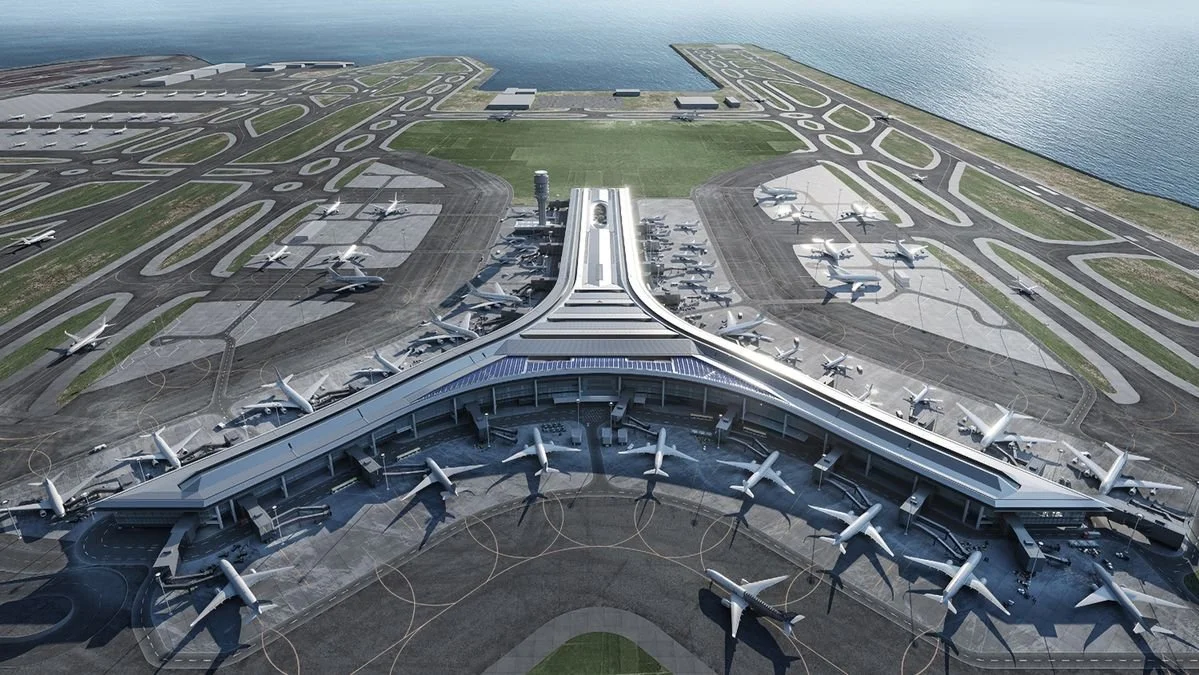
Image: Hong Kong International Airport Terminal 2 interior | Airport Authority Hong Kong
JFK New Terminals 1 and 6 Gates Expected in 2026
The first gates of the new world-class international Terminals 1 and 6 at New York JFK International Airport are on track to open in 2026 as part of the airport’s multi-billion-dollar redevelopment program. The new facilities will significantly increase premium international capacity and deliver a dramatically improved passenger experience for travelers using the airport’s most important international gateways. Airlines operating at JFK, particularly those with significant transatlantic and long-haul operations, should begin detailed transition planning well in advance of the phased openings. The new terminals represent a once-in-a-generation upgrade that will reshape competitive dynamics at one of the world’s most important international gateways.
Industry Innovations & Services
Solar Impulse 2 Crashes During Test Flight
The pioneering solar-powered Solar Impulse 2 crashed into the sea off the Mississippi Gulf Coast during a routine test flight in early May. While the loss of the iconic experimental aircraft is unfortunate, the incident is providing valuable real-world data that will inform the next generation of alternative propulsion technologies and sustainable aviation initiatives. The crash highlights both the promise and the technical challenges of solar and other zero-emission propulsion systems. Research and development teams across the industry should closely study the publicly available findings from the investigation to accelerate safe development of next-generation sustainable aircraft technologies.
Avionics and AI Demand Surge Across Global Fleets
Industry analysts confirm accelerating global demand for advanced avionics suites and AI-enhanced cockpit systems as airlines and lessors prioritize investments that deliver measurable improvements in operational efficiency, predictive maintenance accuracy, and flight safety margins. The integration of artificial intelligence into cockpit systems is moving rapidly from experimental to mainstream, with multiple major carriers already deploying AI-assisted decision support tools. Fleet planners and CFOs should evaluate the return on investment of next-generation avionics upgrades not only in terms of fuel savings and maintenance cost reduction but also in terms of enhanced dispatch reliability and crew workload management. The pace of adoption is expected to accelerate further as regulatory frameworks for AI in aviation mature.

Image: Advanced cockpit avionics and AI systems | Industry source
U.S. Air Force Reassigns Combat Training Units
The U.S. Air Force announced the reassignment of several combat training units in May 2026 as part of a comprehensive effort to enhance overall force readiness and better align training infrastructure with evolving mission requirements in an increasingly contested global security environment. The moves reflect broader Department of Defense priorities around great-power competition and the need for more realistic, high-end training scenarios. While primarily a military development, the reassignments have secondary implications for the commercial aviation training ecosystem, particularly in the areas of advanced simulation and live-virtual-constructive training integration. Commercial training providers should monitor these developments for potential technology transfer and partnership opportunities.
GA-ASI and USAF Test APKWS on MQ-9A Reaper
General Atomics Aeronautical Systems and the U.S. Air Force successfully completed testing of the Advanced Precision Kill Weapon System (APKWS) guided rocket on the MQ-9A Reaper unmanned aircraft system. The successful integration significantly expands the platform’s precision strike capabilities in contested environments and represents an important capability milestone for the Reaper program. While primarily a defense development, the test demonstrates the continued rapid evolution of unmanned systems technology that has important read-across implications for commercial drone operations and airspace integration challenges. Executives involved in unmanned traffic management and advanced air mobility initiatives should closely follow these military technology developments.
Key Watch Items
• Spirit Asset Sales: Monitor which carriers acquire Spirit’s valuable slots, gates, and aircraft as liquidation proceeds accelerate. The outcome will reshape competitive dynamics in multiple domestic markets for years to come.
• O’Hare Capacity Management: Watch how airlines adjust schedules after the June 2 cap implementation and whether further restrictions are imposed at other constrained airports. Proactive contingency planning is essential.
• Pilot Supply: Track carrier-specific recruitment results and training throughput; shortages remain the single largest constraint on 2026–2027 growth plans and must be modeled explicitly in all capacity forecasts.
• Infrastructure Delivery: Several major terminal projects (Dulles, JFK, Munich, Hong Kong, Omaha) have critical 2026 milestones that will materially affect airline operations, passenger experience, and competitive positioning. Detailed transition planning should begin immediately.
Subscribe to Boston Warwick for weekly executive aviation intelligence
Subscribe Free →SOURCES
- Reuters – Dulles $22B Plan
- Aviation A2Z – Pilot Shortage Update
- Aviation Week – May 11 Issue
- DFW Operational Disruption Report
- Business Travel News – May 2026 Route Updates
Subscribe to Boston Warwick for weekly executive aviation intelligence.