
Weekly Aviation Insights: Airlines, Deals, and Industry Shifts – September 22-28, 2025
Boston Warwick drives transformative change for airlines, airports, and aviation stakeholders. Its expert team, with decades of experience, delivers high-impact projects in flight operations, fleet valuations, and M&A, empowering clients with strategic insights. This week’s report unpacks critical developments from September 22-28, 2025, including Turkish Airlines' major Boeing order, Finnair's pioneering ancillary bundles, merger setbacks in Latin America, and new airport collaborations.
Airlines
Turkish Airlines placed a firm order for 50 Boeing 787 Dreamliners, expanding its long-haul fleet to enhance global connectivity and efficiency. This move supports the carrier's growth strategy amid rising demand, potentially improving route profitability and passenger experience through advanced aircraft features.
Norwegian ordered 30 Boeing 737-8 MAX aircraft, bolstering its short-haul operations in Europe. The deal aims to reduce fuel costs and emissions, positioning the low-cost carrier for competitive recovery in a post-pandemic market.
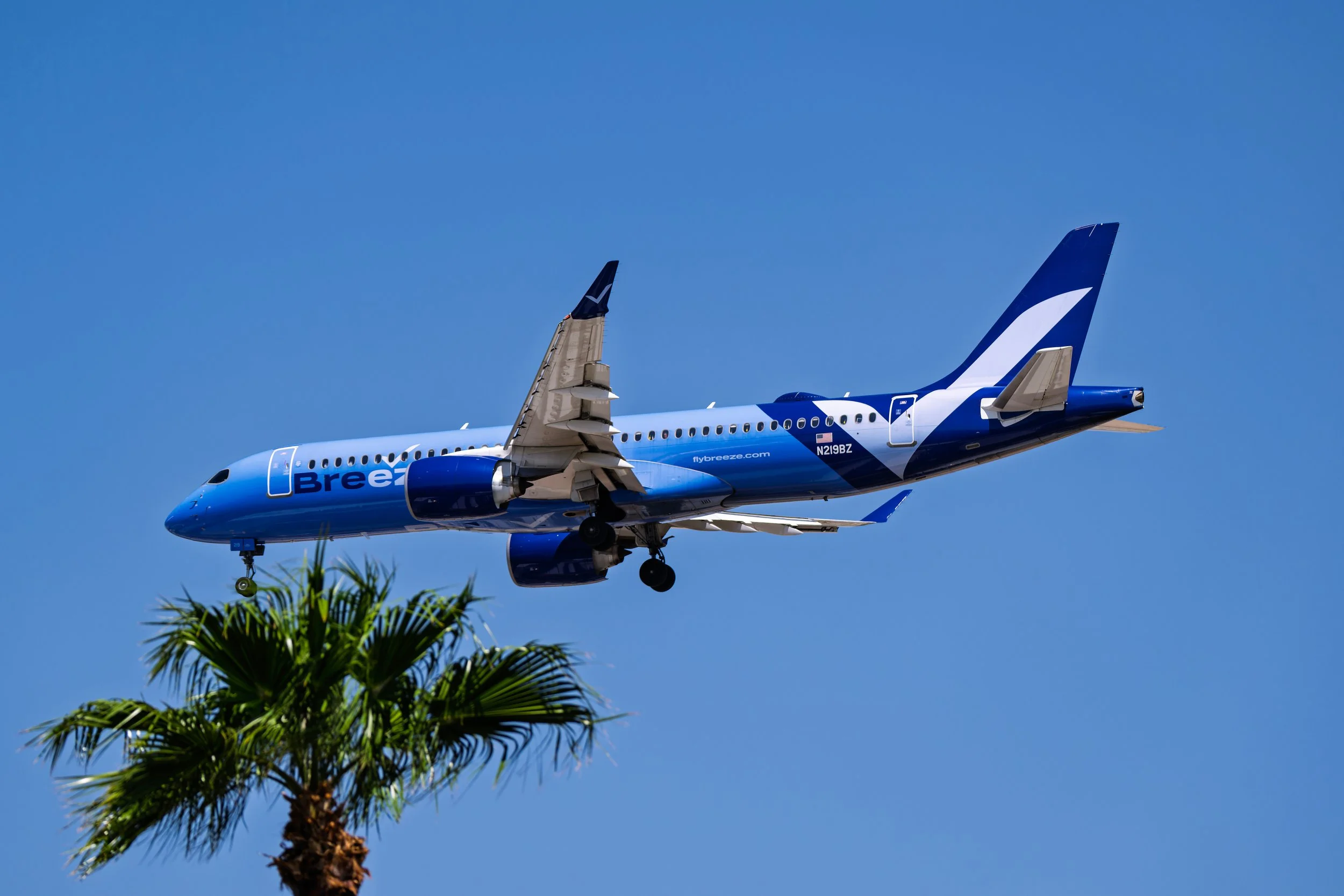
Breeze Airways received FAA certification as a U.S. flag carrier, enabling international operations and expanding its network beyond domestic routes. This milestone could open new revenue streams but requires navigating regulatory and market challenges in global aviation.
Etihad Airways announced a new route from Abu Dhabi to Palma de Mallorca, targeting leisure travel in the Balearic Islands. The service taps into seasonal demand, strengthening Etihad's European footprint and diversifying its portfolio amid Middle East-Europe competition.
Mergers, Acquisitions & Finance
Abra Group terminated merger discussions with Azul, leading GOL to end its codeshare agreement with the carrier. This collapse highlights ongoing consolidation hurdles in Latin America, potentially impacting route networks and competitive dynamics in the region.
Hawaiian Airlines and Alaska Airlines launched a joint business program, replacing prior initiatives to streamline operations and loyalty benefits. The partnership aims to enhance West Coast-Pacific connectivity, though it may face antitrust scrutiny while promising cost synergies.
Korean Air and Asiana Airlines began transitioning toward a single carrier following their merger approval, focusing on integration challenges. This consolidation could create a stronger Asian hub but risks operational disruptions during the harmonization of fleets and cultures.

Airport Developments
Hamad International Airport signed an MoU with Beijing Daxing International Airport, boosting Qatar-China ties through enhanced passenger and cargo flows. The agreement promotes innovation and connectivity, supporting economic growth but dependent on geopolitical stability.
Unidentified drones were spotted at four Danish airports, prompting police investigations into potential security threats. This incident underscores rising concerns over drone incursions, urging airports to upgrade detection and response systems to safeguard operations.
Industry Innovations & Services
Finnair became the first airline to introduce ancillary combos using modern retailing capabilities, allowing bundled services at discounted rates. This innovation streamlines revenue management and customer personalization, setting a benchmark for digital transformation in aviation.
GE Aerospace partnered with Merlin to develop an AI platform for autonomous flight systems in military and civil aircraft. The collaboration advances automation, potentially reducing pilot workload and improving safety, though regulatory hurdles remain.
IATA released a study confirming sufficient sustainable aviation fuel (SAF) feedstock for net-zero emissions by 2050, emphasizing technology rollout as the key bottleneck. This insight drives policy advocacy, highlighting the need for investment in production to meet environmental goals.
Key Watch Items
Airbus continues monitoring widebody deliveries for 2025, with no major disruptions reported this week amid supply chain stabilization efforts. Steady progress is crucial for airline fleet renewals, though delays could persist due to global manufacturing constraints.
Rolls-Royce advances engine production recovery, supporting orders like those for Riyadh Air's A350 fleet from earlier in the year. Improved output addresses backlog issues, bolstering reliability for widebody operations and long-term partnerships.
Riyadh Air maintains its launch timeline preparations, with no new updates this week but ongoing fleet buildup signaling a 2026 debut. The startup's progress is key for Saudi aviation diversification, facing competition in the Middle East market.
Multiple new routes launched, including Scandinavian Airlines' long-haul additions and Qatar Airways' expanded codeshare with China Southern for 64 weekly flights to eight Chinese cities. These expansions enhance global access, driven by recovering travel demand and strategic alliances.
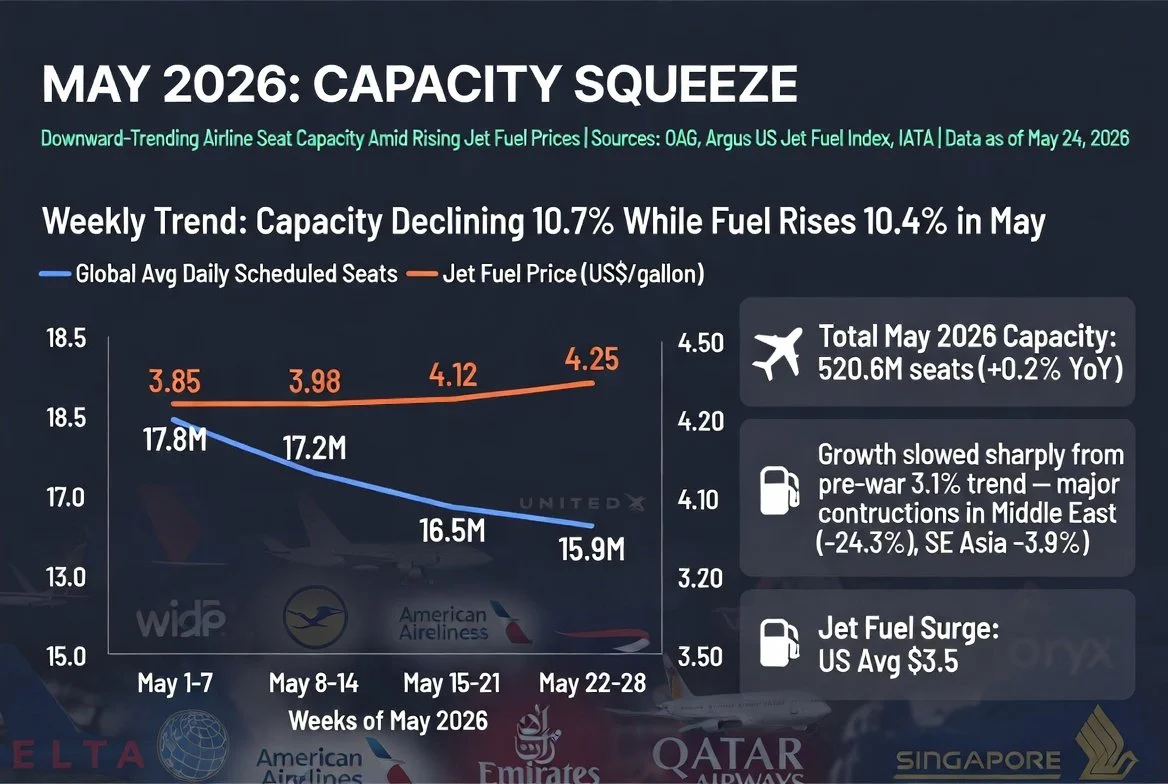
Europe’s jet-fuel stocks continue to fall as the Hormuz crisis enters its fourth month. Our latest Top 50 ranking shows Budapest and Warsaw entering the list while UK airports push back against proposed EU261 relief for airlines.